Skip to content

Most homeowners know regular AC maintenance is important, but many are not sure what happens during a tune-up appointment. Is it just a quick inspection? Does the technician clean anything? Are parts replaced? The answer depends somewhat on the system and its condition, but a professional tune-up involves much more than a simple look around. It gives technicians an opportunity to inspect, test, clean, and evaluate important components before small issues turn into larger problems during the hottest part of the year.
What Is an AC Tune-Up?
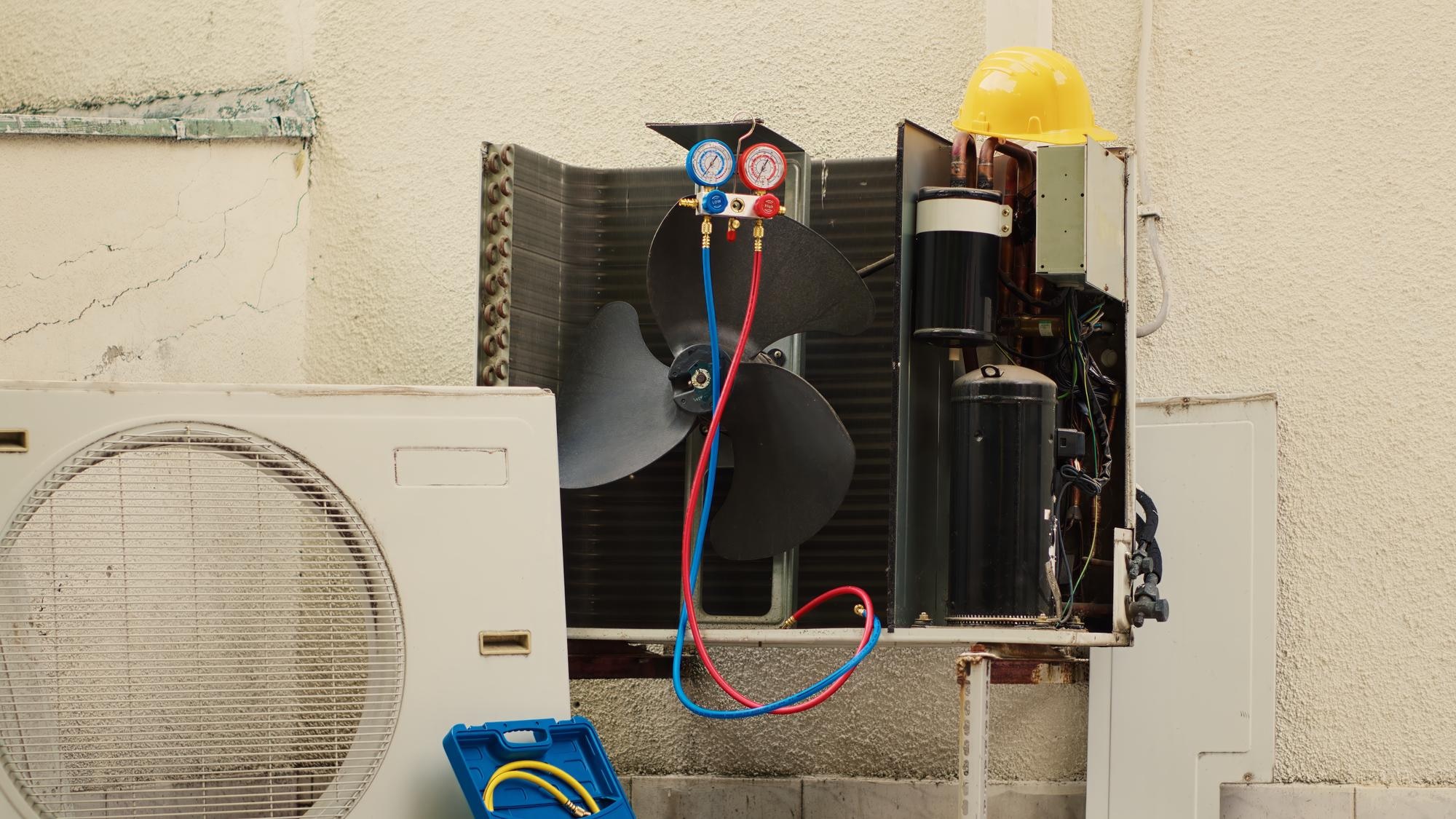
An AC tune-up is a preventive maintenance service designed to keep your cooling system operating properly. Rather than waiting for something to break, technicians inspect key components and verify that the equipment is functioning as intended. The goal is to identify developing problems early and address issues that could affect performance during periods of heavy use.
Think of a tune-up the same way you would think about routine maintenance for a vehicle. Your car may seem to run perfectly, but regular service helps catch wear and tear before it leads to larger repairs. Air conditioning systems work the same way.
Components experience stress throughout the cooling season, especially in places like Corpus Christi where AC systems often run for much of the year. An AC maintenance visit also gives a clear picture of the system’s overall condition. If something needs attention, homeowners learn about it before it becomes an emergency repair in the middle of a South Texas heat wave.
What Happens During an AC Tune-Up?
A professional tune-up includes several inspections and tests that help technicians evaluate the condition of the entire system. While the exact process may vary slightly, most appointments cover the same core areas.
Air Filter Inspection
The air filter plays a major role in airflow throughout the system, and during a tune-up, technicians inspect the filter for dirt, debris, and restrictions that could interfere with performance. A clogged filter forces the system to work harder and can contribute to comfort issues throughout the home.
Electrical Component Testing
Air conditioners rely on numerous electrical connections, capacitors, contactors, and control components. Technicians inspect these parts for wear, damage, or signs of failure. Electrical issues often develop gradually, making routine inspections an effective way to identify concerns before they affect system operation.
Coil Inspection and Cleaning
The evaporator and condenser coils handle the heat transfer process that makes air conditioning possible. Dirt buildup on either coil can reduce performance and increase strain on the system, so technicians inspect coil condition and clean accessible areas when necessary as part of routine maintenance.
Refrigerant Checks
Refrigerant levels affect cooling performance and system operation, and technicians look for signs that could indicate a refrigerant issue. Identifying potential concerns early helps prevent larger performance problems later in the cooling season.
Drain Line Inspection
Air conditioners remove moisture from indoor air as they cool the home, and that moisture leaves through the condensate drain system. Technicians inspect drain lines for blockages or conditions that could lead to water leaks, drainage problems, or excess moisture around the equipment.
Why Technicians Check Both Indoor and Outdoor Equipment
Many homeowners focus on the outdoor unit because it is the most visible part of the system. While the condenser plays an important role, the air conditioner depends on both indoor and outdoor components working together properly. Problems on either side can affect overall performance.
The indoor equipment handles airflow, moisture removal, temperature regulation, and heat absorption. Components such as the evaporator coil, blower assembly, drain system, and electrical controls all influence how effectively the system cools the home. If one of these components develops an issue, comfort levels often suffer even when the outdoor unit appears to be operating normally.
The outdoor condenser releases heat collected from inside the home. Dirt buildup, damaged components, restricted airflow, and electrical concerns can all interfere with that process. A technician who only inspects one portion of the system may miss issues developing elsewhere.
That is why comprehensive tune-ups involve both sections of the equipment. Evaluating the entire system provides a more complete understanding of its condition and helps identify problems that might otherwise go unnoticed and lead to emergency AC repair services.
What Problems Can a Tune-Up Catch Early?
Many repairs start as small issues that develop over time. Routine maintenance often identifies those concerns before they cause system failures or comfort complaints, such as:
- Loose Electrical Connections: Electrical connections naturally experience vibration during normal operation. Over time, those connections can loosen and create performance issues, so identifying the problem early helps reduce the risk of component damage or unexpected breakdowns.
- Restricted Airflow: Airflow issues can develop because of dirty filters, blocked components, duct concerns, or other system restrictions. Reduced airflow affects cooling performance and often places unnecessary strain on equipment, and technicians can identify these issues before they lead to larger problems.
- Drainage Problems: Condensate drains handle moisture removed from indoor air, so small blockages can eventually lead to water leaks, overflow concerns, or excess moisture around equipment. Routine inspections help ensure water continues draining properly.
Many homeowners are surprised to learn how often routine maintenance uncovers issues that have not yet produced noticeable symptoms. Catching those concerns early often leads to simpler and less disruptive repairs.
How Often Should an AC System Be Tuned Up?
Most manufacturers and HVAC professionals recommend scheduling air conditioning maintenance once per year. Annual service gives technicians an opportunity to inspect the system before cooling demands reach their peak. Spring often works well because it allows homeowners to address concerns before the hottest weather arrives and puts strain on their commercial HVAC or home system.
Homes throughout Corpus Christi and the Coastal Bend place significant demands on cooling equipment. Long summers, elevated humidity levels, and extended operating seasons mean systems often work harder than equipment in cooler climates. Regular maintenance becomes even more valuable under those conditions because wear accumulates more quickly.
Some homeowners wait until they notice a problem before calling for service. Unfortunately, by that point, the issue may already be affecting comfort or performance. Routine tune-ups provide a proactive approach that helps identify concerns before they interfere with daily life.
If it has been more than a year since your last maintenance appointment, Birdwell A/C & Heating can inspect your system and help ensure it is ready for another South Texas cooling season.
Common Questions About AC Tune-Ups
Many homeowners have questions about what maintenance includes and whether tune-ups are really necessary. A few quick answers to the most common questions include:
1. How Long Does an AC Tune-Up Take?
Most tune-ups take between one and two hours, depending on the system, accessibility, and any issues discovered during the inspection.
2. Will a Tune-Up Fix an Existing AC Problem?
It focuses on inspection, testing, cleaning, and maintenance. If technicians discover a repair issue during the visit, they can explain the problem and discuss available solutions.
3. Do New Air Conditioners Need Tune-Ups?
Yes. Even newer systems benefit from regular maintenance, and annual service helps verify proper operation and identify concerns before they affect performance.
4. Is a Tune-Up Different From an AC Repair?
Yes. Repairs address specific problems after they occur. Tune-ups focus on preventive maintenance designed to keep the system operating properly and identify concerns early.
Use Birdwell A/C & Heating to Keep Your AC In Top Shape This Summer
An AC tune-up involves much more than a quick inspection. Technicians evaluate critical components, check system operation, inspect for developing issues, and help ensure the equipment is prepared for the demands of the cooling season. Birdwell A/C & Heating provides professional AC tune-ups throughout Corpus Christi and the Coastal Bend to help keep homes comfortable when temperatures start to climb. Request a service call or get a free estimate.