Skip to content

When warm rooms, uneven airflow, or higher utility bills show up, many homeowners start wondering how long do AC units last and what determines the lifespan of their cooling equipment? In hot and humid environments, long cooling seasons and heavy humidity place extra pressure on compressors, coils, and electrical parts. Knowing how climate, usage habits, and maintenance choices shape system aging helps you plan ahead for AC installation and the timing of AC repairs in Corpus Christi.
What Shapes an AC System’s Lifespan
The question of how long do AC units last never has a single answer because every household places different demands on cooling equipment. Homes along the Texas coast experience heavier humidity and more hours of runtime per day, which leads to faster wear than regions with shorter summers. Systems that receive consistent tune ups last longer because technicians remove debris, test electrical parts, clean coils, and correct small issues before they cause strain.
Airflow also influences total lifespan. A system that breathes easily runs at a stable temperature and avoids internal stress, but a system with blocked vents, clogged filters, or duct issues works harder and ages faster. Even moderate restrictions create years of unnecessary strain, and when airflow declines, temperatures rise inside the system, gradually weakening major components.
Daily Cooling Patterns That Affect Longevity
Long term AC performance depends heavily on how the home gains heat throughout the day. Large windows, south facing rooms, frequent door openings, and high foot traffic force the system to cool more often. Homes with open floor plans also experience wider temperature swings that increase runtime. These factors accumulate every summer and help determine how long AC systems last in coastal households.
Indoor habits influence wear as well and dictate how often one calls for AC repairs. Homes with pets collect more debris on filters and evaporator coils, while homes with ongoing humidity challenges force the system to remove moisture while cooling the air. These dual demands intensify strain on capacitors, motors, and blowers, often shortening lifespan by several years if no maintenance plan is in place.
How Heat Retention Affects Aging
Some homes trap heat because of insulation gaps, poor attic ventilation, or older windows. When indoor temperatures climb faster than the thermostat can compensate, the system stays on longer and reaches higher internal temperatures. Extended cycles lead to compressor fatigue, and when this pattern repeats over years, the system ages faster than equipment in cooler or more insulated homes.
Environmental Pressure Unique to Coastal Homes
Outdoor systems endure salt exposure, humid nights, storm debris, and long stretches of runtime that directly impacts whether you need a new AC installation in Corpus Christi or repairs, including:
- Salt carried by coastal wind corrodes metal surfaces.
- Humidity keeps coils wet, which encourages buildup.
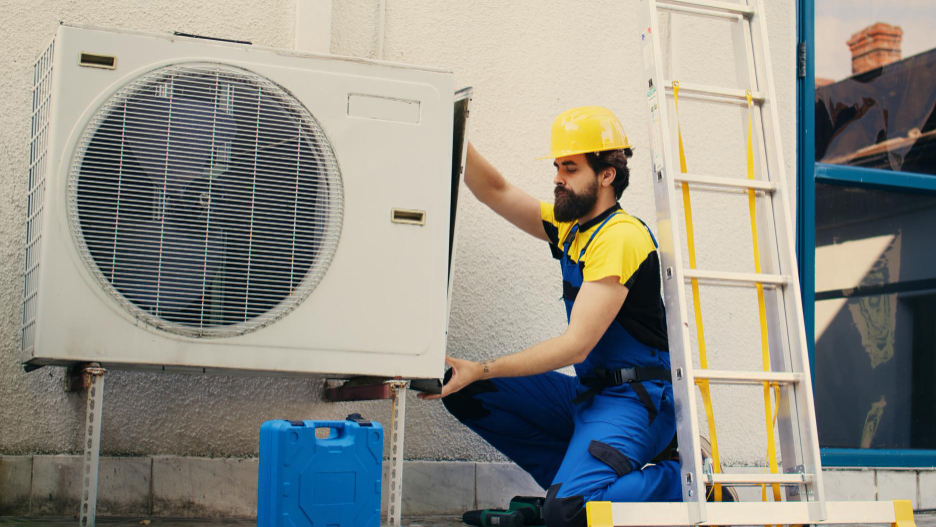
- Storms push leaves and grass into condenser fins, reducing airflow and raising operating temperatures.
These conditions slowly shorten system life. Over time, environmental stress becomes noticeable when cycles lengthen, efficiency drops, or the system struggles to cool during extreme heat. While a filter change helps airflow, deeper system wear usually drives these symptoms. Homeowners benefit from early evaluation when these patterns appear.
Working with an HVAC company in Corpus Christi like Birdwell A/C and Heating helps homeowners navigate these coastal challenges. Local technicians understand humidity behavior, corrosion risks, and the unique workload created by long cooling seasons, which allows them to recommend maintenance strategies that extend equipment life.
Signs That Aging AC Systems Begin to Show
As AC equipment moves through its service life, homeowners begin seeing shifts in performance. Some changes appear gradually, while others feel sudden, but each one signals increasing wear. Common signs that age is catching up with the system include:
- Longer cooling cycles during mild weather
- Weaker airflow even after filter replacement
- Sticky or heavy indoor humidity
- Louder or more abrupt startup noises
- Rising utility bills despite normal usage
These patterns do not always mean the system is close to failure, but they show that components are wearing down and efficiency is declining.
When Repairs Do Not Restore Comfort Fully
Older AC systems often develop layered issues. Replacing a failing part might solve one symptom while deeper problems remain. A new capacitor might restart the system, but corroded coils or weakening motors can still reduce cooling ability. When several repairs cluster within a short time or comfort continues to decline, replacement often becomes the more reliable and cost effective solution.
Choices Homeowners Make That Influence Lifespan
Homeowners influence how long AC units last through small daily decisions that affect airflow, temperature stability, and the workload placed on the equipment. Homes in the area experience longer cooling seasons and heavier humidity, which makes consistent habits even more important.
When airflow stays unobstructed, indoor heat gain remains controlled, and AC maintenance gets handled proactively, the system runs with less internal stress and ages far more slowly than equipment left to operate under strain. Habits that support longevity include:
- Replace filters regularly to reduce blower strain
- Keep vents open throughout the home
- Trim vegetation around outdoor units
- Close blinds during peak sunlight hours
- Schedule yearly maintenance before summer heat
These habits reduce the overall cooling load and allow the system to operate efficiently throughout long coastal summers. Clean airflow prevents overheating, shaded rooms limit unnecessary runtime, and seasonal maintenance corrects small problems early so they never escalate into issues that shorten the equipment’s usable life.
Thermostat Habits Shape Equipment Health
Thermostat settings influence runtime, internal temperatures, and component stress. Sudden temperature drops force compressors to work harder, while gentle adjustments help systems stabilize. Homes that keep temperatures steady instead of swinging dramatically experience fewer cycles and less wear on sensitive components.
Steps That Slow Down System Aging
Beyond daily habits, several home improvements reduce the demand placed on cooling equipment. These upgrades lower heat gain, improve humidity control, and support smoother operation across the year. There are additional ways to protect your AC system, such as:
- Seal attic air leaks to prevent heat transfer
- Improve insulation around older windows
- Install ceiling fans to circulate cooled air
- Use dehumidifiers during high moisture periods
- Keep gutters clear so runoff stays away from outdoor units
These improvements reduce total cooling load, which leads to fewer cycles and longer system life.
When AC Replacement Becomes the Better Decision
Every system eventually reaches a stage where routine or emergency AC repairs no longer ensure strong performance. Older compressors lose efficiency, coils accumulate corrosion that restricts heat transfer, and motors weaken. At this point, replacement becomes the better solution because modern systems offer stronger cooling, improved energy efficiency, and better humidity control.
Updated coil designs resist coastal corrosion, and advanced compressors handle longer cooling seasons more efficiently. Upgrading before complete system failure prevents discomfort during the hottest months and restores stable operation throughout the home.
Birdwell A/C and Heating Answers How Long Do AC Units Last
So, how long do AC units last? Now you know the answer that helps homeowners plan for repairs, upgrades, and long term cooling strategies. Birdwell A/C and Heating supports local families with clear guidance on AC installation, seasonal maintenance, and repair timing so equipment stays dependable in demanding coastal summers.
When you understand how climate, usage, and airflow shape lifespan, you can make confident decisions that protect comfort year after year. Contact our professional HVAC company for a quote.