Skip to content


Heat pumps are becoming a more common choice in South Texas because they can cool a home in summer and provide heat in winter using the same system. For Corpus Christi homeowners, that two-in-one design fits a climate where air conditioning handles most of the workload, but reliable heat remains necessary when cold fronts reach the Coastal Bend.
A heat pump is not automatically the best choice for every property. The right system depends on the home’s size, ductwork, insulation, electrical setup, existing equipment, and exposure to coastal conditions. Understanding how heat pumps work and what affects their performance can help homeowners make a more informed decision when their current AC or heating system needs replacement.
What Is a Heat Pump?
A heat pump is an electric HVAC system that moves heat from one place to another. During warm weather, it works much like a central air conditioner. The system collects heat from inside the home and releases it outdoors. During colder weather, a component called a reversing valve changes the direction of the refrigerant cycle. The system then collects heat from the outdoor air and transfers it indoors.
Outdoor air still contains usable heat even when the temperature feels cold. A heat pump uses refrigerant, coils, and a compressor to collect and move that heat into the home. This process allows one system to provide both cooling and heating. Birdwell A/C & Heating offers heat pump services in Corpus Christi for homeowners who already use this type of equipment or are considering their options.
Why Are Heat Pumps Becoming More Common in South Texas?
Heat pumps have several qualities that make them well suited to Corpus Christi and the surrounding Coastal Bend.
One System Handles Heating and Cooling
A traditional central air conditioner only provides cooling. The home therefore needs a furnace, electric heater, or another system for winter.
A heat pump performs both jobs. It cools the home through the long South Texas summer and reverses operation when heating is needed. Homeowners can manage year-round comfort through one connected HVAC system rather than relying on completely separate cooling and heating equipment.
Mild Winters Play to Their Strengths
Heat pumps generally operate most efficiently when outdoor temperatures are cool rather than extremely cold. That makes South Texas a practical climate for this technology.
Corpus Christi can experience freezing temperatures and sudden cold fronts, but prolonged periods of severe winter weather are less common than in northern climates. A properly selected heat pump can therefore handle much of the heating season without relying heavily on supplemental heat.
Newer Systems Can Adjust Their Output
Many newer heat pumps use variable-speed or multi-stage technology. Instead of operating only at full power, the system can adjust its output to match the home’s current needs.
Longer, lower-output cycles can provide steadier temperatures and more consistent airflow. This can be useful in Corpus Christi, where heat and humidity may remain elevated for long stretches. Not every heat pump includes variable-speed equipment. Homeowners should compare system features rather than assuming that every model will operate the same way.
Is a Heat Pump the Same as an Air Conditioner?
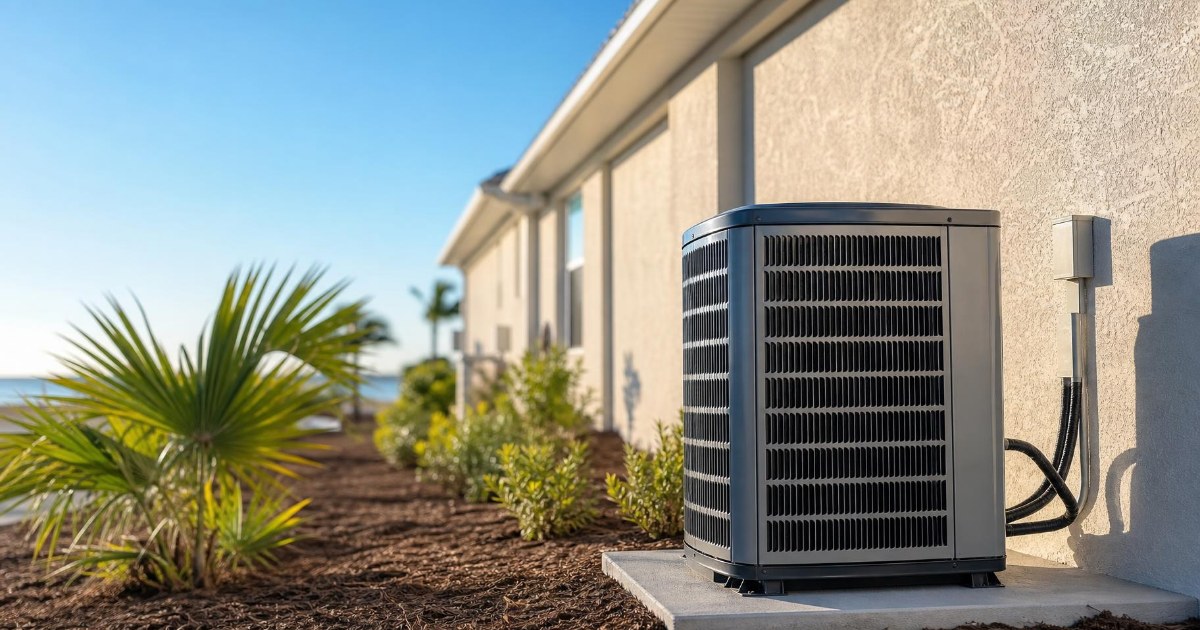
A heat pump and central air conditioner operate similarly during the cooling season. Both use refrigerant to absorb indoor heat and release it through an outdoor unit. The important difference is that a heat pump can reverse the process. A standard air conditioner cannot use its refrigerant cycle to heat the home. From the homeowner’s perspective, both systems may look similar. A central heat pump usually has:
- An outdoor unit
- An indoor air handler
- Refrigerant lines
- A thermostat
- Ductwork that distributes conditioned air
Heat pumps can also be installed as ductless systems. A ductless setup uses one or more indoor units to provide targeted heating and cooling without relying on traditional ductwork. These ductless mini-split systems may be useful for additions, converted garages, older homes, or rooms that are difficult to keep comfortable with the existing central system.
Which Corpus Christi Homes Are Good Candidates for a Heat Pump?
A heat pump may be worth considering when:
- The existing central air conditioner is approaching replacement
- The home currently relies on electric resistance heating
- Both the cooling and heating equipment need to be replaced
- The homeowner wants one system for year-round comfort
- A room addition or converted space does not have adequate ductwork
- The current equipment creates uneven temperatures
- The homeowner wants to compare newer variable-speed options
- An older system requires frequent repairs
The home itself still needs to be evaluated. An HVAC technician should consider the property’s square footage, ceiling height, windows, insulation, sun exposure, duct design, and normal occupancy.
A ranch-style home in Calallen may have different needs than a multistory property on the South Side. Homes near Flour Bluff, North Padre Island, or Port Aransas also experience heavier salt exposure and coastal humidity. Those conditions can affect equipment selection, outdoor-unit placement, and maintenance requirements.
Proper sizing matters more than simply choosing a larger unit. An oversized system may cool the house quickly but shut down before it has removed enough indoor moisture. An undersized system may run continuously without keeping up during peak summer weather.
Professional AC installation in Corpus Christi should therefore begin with an evaluation of the home rather than a replacement based only on the size of the old equipment.
How Does Humidity Affect Heat Pump Performance?
A heat pump removes some moisture from indoor air while operating in cooling mode. Warm indoor air passes over the cold evaporator coil, causing moisture to condense and drain away from the system. However, effective humidity control depends on how long the equipment runs and how much air moves across the coil.
An oversized system may lower the temperature quickly and turn off before completing a longer moisture-removal cycle. The thermostat may show the desired temperature while the home still feels humid or uncomfortable. Other problems can also interfere with moisture removal, including:
- Restricted airflow
- Dirty filters
- Drainage problems
- Incorrect fan settings
- Leaky ductwork
- Poor equipment sizing
- Mechanical or refrigerant issues
Homes closer to the Gulf often face more persistent humidity than properties farther inland. Equipment selection should account for those local conditions rather than focusing only on the home’s square footage.
A heat pump may help manage normal indoor moisture while cooling, but it does not automatically solve every humidity problem. Some homes may need additional air sealing, duct repairs, ventilation changes, or dedicated humidity control.
Will a Heat Pump Work During a South Texas Cold Snap?
Yes. A properly operating heat pump can continue providing heat during cold South Texas weather. However, heat pumps may lose some heating capacity as the outdoor temperature drops. Many systems include auxiliary electric heat or another backup source that can operate when the heat pump needs assistance.
Homeowners may see “AUX” or “auxiliary heat” displayed on the thermostat during colder conditions. That does not always indicate a malfunction. It may mean the system is using supplemental heat to reach the thermostat setting.
Heat from a heat pump can also feel different from heat produced by a gas furnace. A furnace often delivers shorter bursts of very hot air. A heat pump may provide a longer, steadier stream of moderately warm air. The system may still be heating correctly even when the air coming from the vents does not feel especially hot. Signs that professional evaluation may be needed include:
- The system blows cool air for an extended period
- Auxiliary heat runs constantly during mild weather
- The home cannot reach the thermostat setting
- The outdoor unit develops unusual ice buildup
- The system repeatedly turns on and off
- Energy use rises sharply without a clear weather-related explanation
- The unit makes new or disruptive noises
A brief defrost cycle can also be normal during heating operation. The system may temporarily reverse itself to remove frost from the outdoor coil. Persistent ice, heavy buildup, or a unit that never resumes normal heating should be inspected.
What Can Make a Heat Pump Perform Poorly?
Heat pumps depend on proper equipment selection, installation, airflow, and maintenance. Several problems can prevent a good system from delivering the expected comfort.
Incorrect Sizing
A system that is too small may struggle during the hottest and coldest days. A system that is too large may cycle too quickly, create uneven temperatures, and remove less moisture during cooling.
Leaky or Poorly Designed Ductwork
A ducted heat pump cannot perform well if conditioned air escapes into the attic or does not reach certain rooms. Duct restrictions and poor return-air design can also reduce airflow.
Inadequate Insulation
Cooling or heating equipment cannot compensate efficiently for major heat gain or heat loss. Attic insulation, window exposure, air leaks, and roofing conditions all affect how much work the system must perform.
Coastal Corrosion
Outdoor heat pump equipment faces the same salt air that affects central AC condensers. Properties near Ocean Drive, Flour Bluff, Padre Island, and Port Aransas may experience faster corrosion on coils, cabinets, fasteners, and electrical components.
Installation Problems
Refrigerant charge, airflow settings, electrical connections, thermostat setup, and drainage all affect performance. Even efficient equipment may operate poorly when installation details are incorrect.
Should You Repair Your Current System or Install a Heat Pump?
A heat pump may be most practical when an existing air conditioner, furnace, or electric heating system is already nearing replacement. Homeowners should compare the full cost and expected lifespan of continued repairs against the benefits of new equipment. Factors to consider include:
- The age of the current system
- How often repairs are needed
- The cost of the present repair
- Cooling and heating performance
- Monthly energy use
- Indoor humidity
- Ductwork condition
- Availability of replacement parts
- Plans to remain in the home
- The cost and features of new equipment
A relatively new system with one repairable problem may not need replacement. An older system with repeated failures, uneven comfort, corrosion, or high operating costs may justify a broader conversation about installation.
The decision should be based on the condition of the complete system rather than one general rule. An HVAC technician can inspect the equipment and explain whether repair, partial replacement, or a new heat pump provides the most practical value.
What Maintenance Does a Heat Pump Need?
Heat pumps work during both the cooling and heating seasons, so maintenance affects year-round comfort. Basic homeowner tasks include:
- Replacing or cleaning the air filter as recommended
- Keeping leaves, grass, and other debris away from the outdoor unit
- Watching for unusual frost or ice
- Keeping supply and return vents open
- Checking for water around the indoor equipment
- Paying attention to new sounds, odors, or changes in airflow
- Avoiding shrubs or stored items that restrict outdoor airflow
Professional maintenance may include checking electrical components, refrigerant performance, coils, airflow, drainage, thermostat operation, the reversing valve, and other system controls.
Coastal properties may need particular attention around the outdoor unit because salt and moisture can accelerate corrosion. Regular AC and heat pump maintenance can help identify developing problems before they cause a major comfort issue.
Common Questions About Heat Pumps
1. Does a Heat Pump Replace Both an AC and a Heater?
In many homes, yes. A heat pump provides cooling during warm weather and heating during cool weather. Some systems also use auxiliary electric heat or another backup source during colder conditions.
2. Does a Heat Pump Need Ductwork?
A central ducted heat pump uses ductwork. A ductless mini-split heat pump delivers heating and cooling through individual indoor units instead.
3. Does a Heat Pump Use Natural Gas?
A standard air-source heat pump uses electricity and does not burn natural gas to produce heat. A dual-fuel or hybrid system may combine a heat pump with a gas furnace.
4. Are Heat Pumps Only Useful for Heating?
No. In Corpus Christi, a heat pump will spend much of the year operating in cooling mode. Its ability to function like a central air conditioner is one of the main reasons it can work well in South Texas.
Find the Right Heat Pump for Your Corpus Christi Home
Choosing the right system is especially important in Corpus Christi, where high humidity, long cooling seasons, and salt exposure near the coast can all affect HVAC performance and equipment life. Proper sizing, installation, airflow, and outdoor-unit placement can make a significant difference in how well a heat pump handles local conditions.
Birdwell A/C & Heating can evaluate your current equipment, explain available heat pump and air conditioning options, and help determine whether repair or replacement makes sense for your home. Schedule AC services in Corpus Christi, TX, or Contact Birdwell A/C & Heating to request a free estimate for a new system