Skip to content


If you are wondering what the new refrigerant for HVAC systems is, the answer is R-454B or R-32. New central air conditioners and heat pumps now use one of the two in place of R-410A, and both belong to a class called A2L refrigerants.
R-454B refrigerant and R-32 both cool your home the same way R-410A does. They absorb heat from the indoor air, carry it outside, and release it at the outdoor unit. What changed is the chemistry, the safety rating and the rules that apply to the equipment.
This post covers why the switch happened, what the A2L label means, and what it means for a system you already own, whether it runs on R-410A or the older R-22. It also shows you how to read your own equipment label and how to think about repairing or replacing an air conditioner here in Corpus Christi and the Coastal Bend.
Why R-410A Is Being Replaced
The change starts with a federal law. Under the AIM Act, the EPA is phasing down hydrofluorocarbons, or HFCs, a family of refrigerants that trap far more heat in the atmosphere than carbon dioxide does. Scientists measure that effect with a number called global warming potential, or GWP. A higher GWP means a bigger climate impact for every pound of refrigerant that escapes.
For residential and light commercial air conditioners and heat pumps, the EPA set a GWP limit of 700 on new equipment. The compliance date for manufacturing and importing equipment under that limit is January 1, 2025. R-410A has a GWP of 2,088, roughly three times the limit. R-454B comes in at 465 and R-32 at 675, so both sit under it.
This is the second refrigerant change in a generation. For many years, residential air conditioners ran on R-22. R-410A took over from R-22, and systems built from about 2010 on commonly use it. R-454B and R-32 are the next step in that line.
Because the rules apply to equipment that manufacturers build and import, the labels on new units look different from the labels on units installed ten years ago. Your existing air conditioner keeps working as it always has, and the rest of this post covers what the rules allow for it.
R-454B and R-32: The Two Refrigerants Replacing R-410A
R-454B is a blend of two refrigerants. It combines R-32 with R-1234yf, a refrigerant with a GWP of just 1. That mix brings the blend's GWP down to 465, compared with 2,088 for R-410A. R-454B is sold under trade names such as Opteon XL41, and you may see that name in equipment literature.
R-32 is a single-component refrigerant. It is one compound rather than a mix, with a GWP of 675. That is higher than R-454B and still well under the 700 limit, and it is a large drop from R-410A.
Which of the two a new system uses depends on the manufacturer and the model. The model's spec sheet and the nameplate on the outdoor unit both name the refrigerant, and a contractor can tell you which one a quoted system runs on.
Each system is designed around one specific refrigerant. The operating pressures, the oil inside the compressor, the metering device and the safety controls are all matched to it. For that reason, you cannot add R-454B or R-32 to an R-410A system, and you cannot add R-410A to a system built for either of the new refrigerants. Topping off a unit with the wrong refrigerant can damage the compressor and puts the whole system at risk.
Refrigerant is also not a product for homeowners to buy and handle. The EPA states that refrigerant is sold only to technicians who hold EPA Section 608 certification. If your system is low on refrigerant, it has a leak, and a certified technician needs to find that leak before any refrigerant goes in.
Equipment built for R-454B or R-32 is a different product from equipment built for R-410A, even when the cabinets look alike. Comparing two quotes means comparing the refrigerant each system uses along with its size and efficiency.
What Is an A2L Refrigerant?
What an A2L refrigerant is comes down to a safety label from ASHRAE, the organization that classifies refrigerants. The label has a letter and a number, and each part says something specific.
The letter covers toxicity. A means lower toxicity, the best rating available. The number covers flammability. A 2 means lower flammability, and the added L stands for low burning velocity. Under the ASHRAE classification, a 2L refrigerant has a maximum burning velocity of 3.9 inches per second, or 10 centimeters per second. That is slow enough that a flame has trouble spreading, and it takes a strong ignition source under the right conditions to get one going at all. R-410A carries an A1 rating, which means it shows no flame propagation. R-454B and R-32 are both rated A2L.
The slightly different rating changes a few things in the equipment and the installation. Systems built for A2L refrigerants include leak detection sensors in the indoor unit. Building and mechanical codes have been updated to cover how these systems are installed. Technicians receive training in handling A2L refrigerants, since their tools and procedures differ in some ways from those used with R-410A.
For a homeowner, day-to-day life with an A2L system looks familiar. The refrigerant stays sealed inside copper lines, the thermostat works the same, and the system still needs yearly maintenance. The sensors and the training are what make an A2L system a safe one to live with.
Can You Still Install or Repair an R-410A System?
Yes, to both. The EPA's 2026 final rule allows air conditioner and heat pump equipment that was manufactured or imported before January 1, 2025 to continue to be installed. There is no installation deadline for systems where every specified component was made or imported before that date. A contractor with that inventory can still install an R-410A system.
Repairs are also open. Existing air conditioners can be used and repaired for their full life, and replacement components for existing systems are not subject to the restrictions. The EPA's frequently asked questions on the phasedown confirm that replacing a major component, such as a condensing unit or a compressor, is allowed on an existing system.
A job counts as a new system when the outdoor condensing unit and the indoor coil are replaced together. That holds even when the existing refrigerant line set stays in place. A new system has to meet the rules for new equipment, so the install uses either leftover pre-2025 R-410A equipment or a system built for R-454B or R-32.
Supply is the one thing to watch. According to the EPA, the availability of HFCs and components may lessen over time as HFCs are phased down. R-410A will stay in use for many years because so many systems run on it, though over time it is likely to become harder to find and may cost more to buy.
A homeowner with a working R-410A system has no deadline to meet. The question to ask is how much longer the system is likely to serve well, which the replacement section below takes up.
Is R-22 Refrigerant Still Available?
R-22 is the older refrigerant that many Coastal Bend homes still run on, and it is available in a limited way. As of January 1, 2020, no new R-22 can be produced or imported in the United States. What remains is recovered, recycled and reclaimed R-22. The EPA's homeowner guidance notes that reclaimers handled more than 140 million pounds of it between 2000 and 2018, which is why a supply still exists today. A certified technician is the only person who can buy and handle it.
There is no drop-in replacement for R-22. A system built for R-22 cannot simply be switched over to R-410A, R-454B or R-32, because each of those uses different pressures and different components. Changing refrigerant types means changing the equipment.
Some products are sold online under names like R-22a or 22a, often described as a cheaper substitute. The EPA's list of refrigerant substitutes classifies these as flammability Class 3 refrigerants and lists them as unacceptable for retrofitting split air conditioners and heat pumps. A flammable product in equipment that was never designed for it creates a real hazard, and it deserves to stay out of your system.
An R-22 system can keep running for as long as it holds its charge and its parts work. If it develops a leak, each repair costs more as the remaining supply shrinks, since the technician has to source reclaimed refrigerant. A system with this refrigerant that leaks more than once is usually a candidate for a replacement conversation.
How to Tell Which Refrigerant Your AC Uses
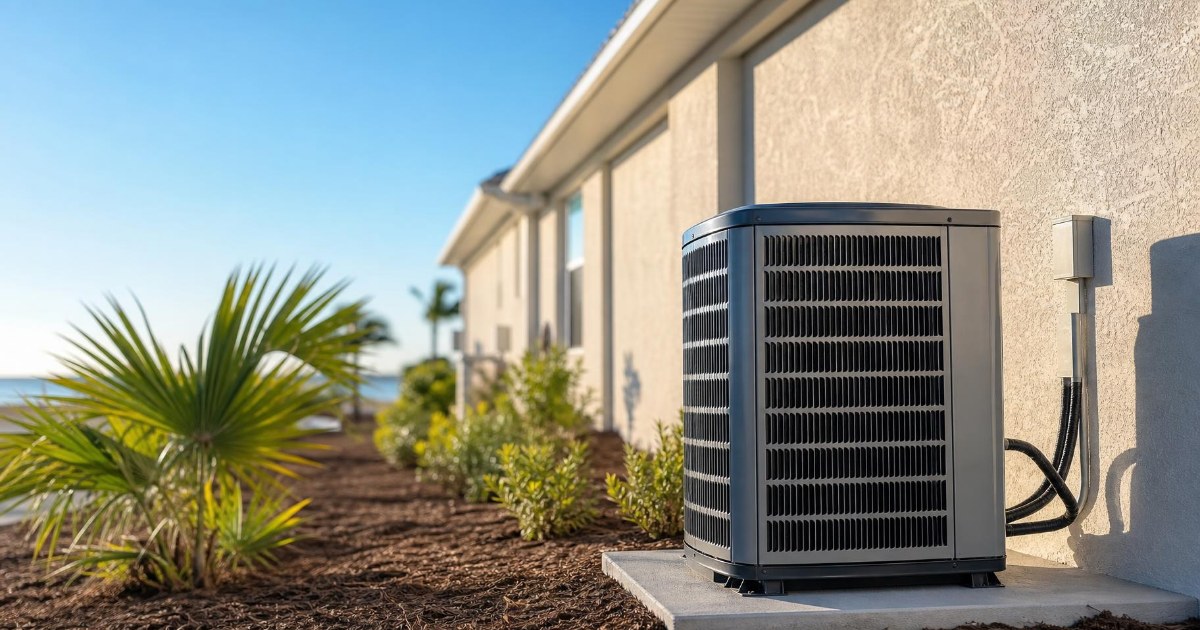
The refrigerant type is printed on the nameplate, also called the data plate, on the outdoor condensing unit. It is a metal or sticker label on the side of the cabinet. Look for a line that reads refrigerant, along with the factory charge, and it will name R-22, R-410A, R-454B or R-32.
The installation year gives you a good first guess before you read the label. R-22 was the standard in older systems, generally those built before about 2010. R-410A was the standard from about 2010 on. Equipment built from 2025 forward carries R-454B or R-32. Systems from the years around those dates can fall on either side, which makes the label the most reliable answer.
Knowing the refrigerant type helps the next time your system needs a repair or you ask for a quote. A technician can give you a clearer picture of parts, refrigerant supply and repair costs once the refrigerant is named. For a replacement quote, the refrigerant tells you what type of system you are being offered.
A photo of the nameplate on your phone is a handy thing to keep. It holds the model number, the serial number and the refrigerant type in one image, and it saves a trip outside in the Corpus Christi heat when you call for service.
Should You Replace Your AC Now or Wait?
The refrigerant rules do not set a date by which you must replace a working air conditioner. The decision comes down to the same factors that have always mattered: the age of the system, how often it needs service, whether parts are easy to find, how efficiently it runs and what it costs to keep going. The EPA suggests having a system older than 10 years evaluated when it needs repair, and that is a sensible checkpoint.
The refrigerant adds one more factor. An R-22 system faces shrinking supply and rising repair costs. An R-410A system has a longer runway, though R-410A availability may tighten over time. A system built for R-454B or R-32 sits at the start of its refrigerant's life.
Coastal conditions matter here too. Salt air corrodes coils and connections, and refrigerant leaks develop faster in coastal homes as that corrosion works on copper lines and joints. A leak means more repairs, and more repairs shorten the useful life of an older system in Corpus Christi.
When you compare quotes, ask each contractor which refrigerant the system uses, whether the outdoor unit and indoor coil are being replaced together, what the warranty covers and how the sensors for an A2L system are handled. A new A2L system carries a different price than older R-410A equipment. Your contractor can give you a line-by-line comparison of the options and what each includes.
If your system is young, healthy and holding its charge, keeping it makes sense. If it is old, leaking and repaired often, a replacement may serve you better over the long run.
Birdwell A/C & Heating handles AC installation and AC repair across Corpus Christi and the Coastal Bend, and the team checks refrigerant levels during AC maintenance visits. New systems come with free estimates, and financing is available for qualified customers. When you are ready to talk through your options, you can Request Service and a technician will look at your equipment with you.